
WHY A CORPORATE CRACKDOWN?
Since early 2022, we at Revolving Door Project have been calling for a Corporate Crackdown—that is, a coordinated executive branch effort to crack down on corporate wrongdoing using regulations already on the books, picking visible fights with corporate villains who are extracting money from the masses and making the planet unlivable.
As we’ve argued, it would be both good governance and good politics for the Biden administration to prioritize a Corporate Crackdown. It should be the role of the government, and particularly public servants in the executive branch, to protect the public against corporate abuses—that is the responsibility they have been entrusted with in a democratic society.
Focusing on a Corporate Crackdown is also good politics. People know that corporations and the wealthy are taking advantage of them without being held accountable. Our polling research, along with numerous polls by other outlets, shows that a majority of US voters across party lines support more corporate enforcement actions by the Biden administration, and believe corporations and the wealthy get away with wrongdoing too often. (We summarized an updated series of polls stressing popular anger at corporations and desire for accountability in a recent blog post.)
Whether it’s Big Pharma lining their pockets by hiking prescription drug prices, corporate landlords raising rents in the midst of a housing crisis, or fossil fuel companies price-gouging at the fuel pump while polluting and driving climate catastrophes with impunity, the impacts of corporate wrongdoing are hitting us every day, in every aspect of our lives, and people are fed up. The admirable campaign against junk fees is a terrific opening move in such a campaign–but it isn’t a complete campaign on its own.
The Biden administration must seize on this widespread anger and frustration by placing itself firmly on the side of workers and regular people, in clear opposition to the far too numerous bad actors among the corporate class.
We’ve made this argument in outlets including Newsweek and The New Republic, giving specific examples of corporate villains like the notorious chief economist of software company RealPage, known for helping landlords price-gouge renters. We’re never short of ideas for other arenas where the Biden administration can build on their solid antitrust track record by challenging corporate power across sectors—defending the public and getting credit for populist governance at the same time.
Other past Corporate Crackdown efforts include:
- Conducting polling, which demonstrated broad, bipartisan belief that corporations and the wealthy get away with breaking the law unpunished, and high levels of support for cracking down on this wrongdoing;
- Issuing reports, prominently our Climate Corporate Crackdown report, that outline what a whole of government approach to using existing regulation to interrupt corporate misdeeds would look like; and
- Publishing regular newsletters and pieces in other outlets pointing out opportunities for the executive branch to take action in mitigating the impact of corporate exploitation on the public.
Follow upcoming work in our Corporate Crackdown portfolio here. We bring this lens to core areas of Revolving Door Project’s work, including tracking corporate influence over climate policy, financial regulation, and law enforcement at the Department of Justice, and scrutinizing Biden and his appointees’ messaging and priorities heading into election season.
KEY WORK AREAS
- CLIMATE JUSTICE. The Environmental Protection Agency and Department of Energy, among others agencies, must use existing protections to hold oil and gas companies accountable when they cause spills, leaks, and otherwise pollute our water and air, while contributing to catastrophic climate change.
- FINANCIAL REGULATION. The SEC, CFTC, CFPB, and FTC, among other federal units, must avoid being taken in by financial institutions’ insistence that lifelong bankers and corporate executives have supernatural levels of expertise and are above reproach. Whether it’s holding crypto grifters accountable for conning consumers or shaming companies who skirt safety regulations relevant to their products, these agencies must live up to their mandate in defending the public from extractive, profit-hungry corporations.
- DEPARTMENT OF JUSTICE. As white-collar law enforcement has fallen to record lows, we are calling on the law enforcement arm of the federal government to step up to the challenge of going after powerful law-breakers. The Justice Department has enormous power to hold elites accountable under both civil and criminal law. It’s about time that the Justice Department prioritize society’s most powerful breakers of laws, be the laws civil or criminal.
March 17, 2026
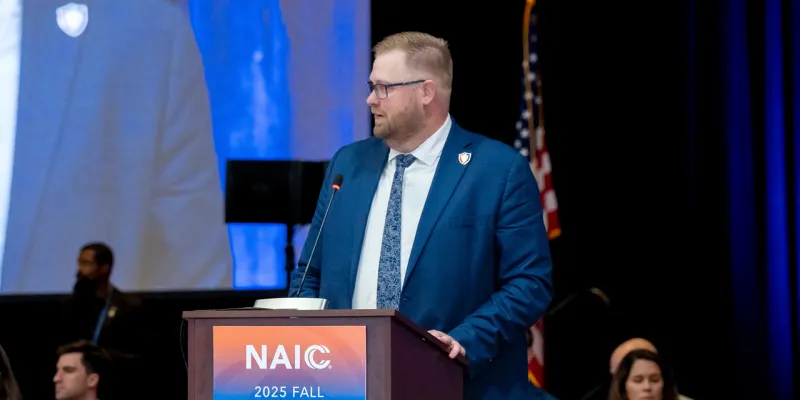
Mapping Home Insurance Regulation
Differences in state regulations play a major role in the growing crisis over home insurance, which is closely linked to the climate emergency propelled by fossil fuels.

March 17, 2026
Kenny Stancil Fletcher Calcagno Aya Dardari Xaver Clarke
Report Climate and EnvironmentCorporate CrackdownFinancial RegulationHousingRevolving Door
Tracking State Insurance Commissioners
State insurance commissioners cannot tackle the deeply intertwined crises of fossil fuel-driven climate change, insurance rate hikes and cancellations, and housing injustice on their own. But their role in aggravating or ameliorating problems deserves greater scrutiny.

March 17, 2026
RELEASE: Home Insurance Regulation Blunted by Revolving Door Activity and Insufficient Resources. New Tools Highlight Scale of Problems
It’s a lot easier to be an ambitious, pro-consumer and pro-climate regulator when you aren’t trying to preserve friendships with profit-maximizing insurance CEOs.
February 27, 2026
Righteous Incivility Trumps Silent Defiance
Voters are increasingly calling “bullshit” on opposition tactics that prioritize institutional norms over populist antagonism.

January 29, 2026
What We Mean When We Talk About Corporate Power
How should we define corporate power, and how should we attempt to understand its growth over time? Here’s some metrics.
January 23, 2026 | Watchdog Weekly
Newsletter Climate and EnvironmentCorporate CrackdownDOGEElon MuskExecutive BranchGovernment CapacityIndependent AgenciesRussell Vought
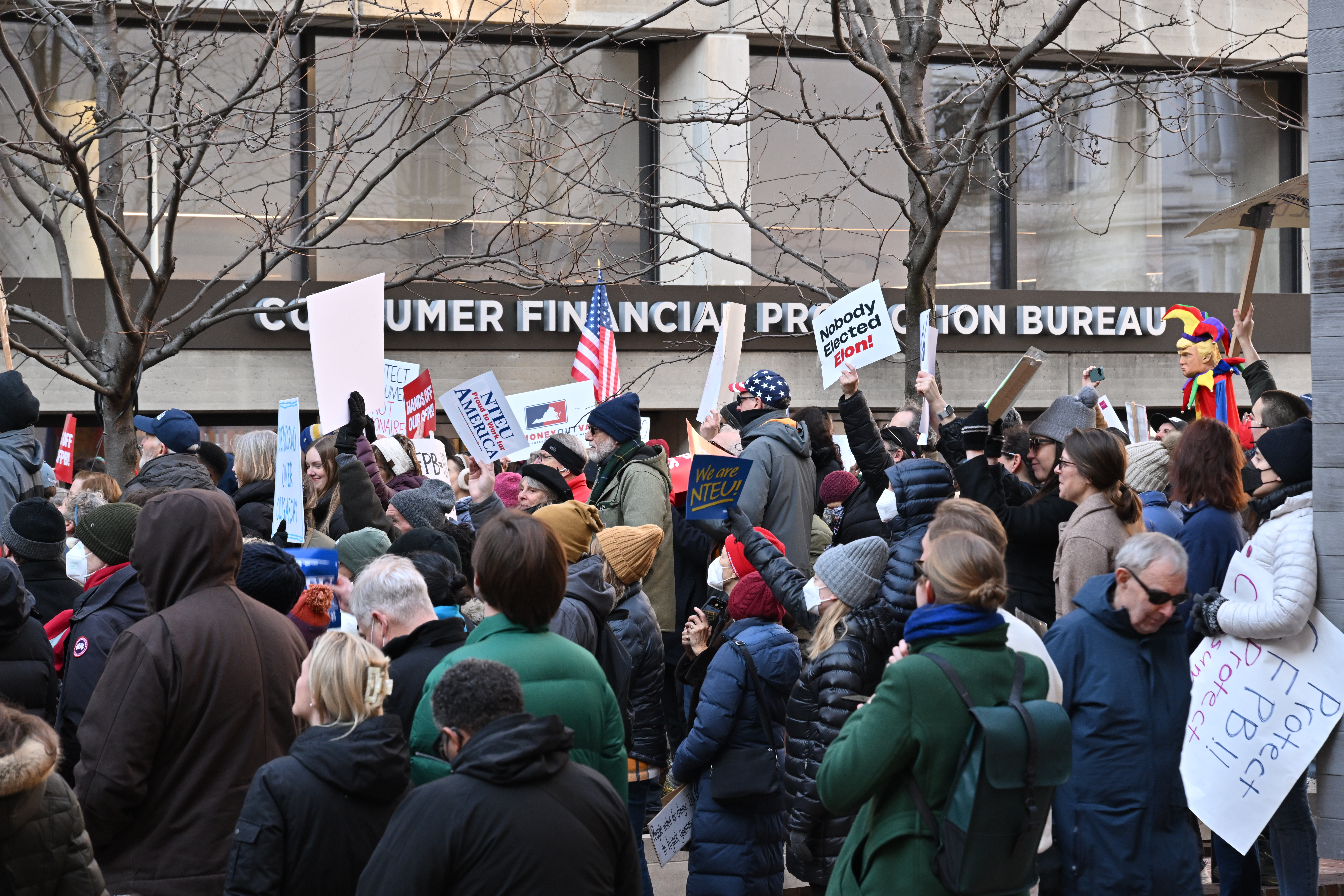
RDP Audits DOGE Destruction In New Report
In case you missed it, RDP just released a new report on the Department of Government Efficiency.
January 20, 2026
KJ Boyle Xaver Clarke Julian Scoffield Chris Lewis
Climate and EnvironmentCorporate CrackdownDOGEElon MuskExecutive BranchIndependent AgenciesProject 2025Russell Vought
DOGE: From Meme to Government Erosion Machine
DOGE: From Meme to Government Erosion Machine serves as a recounting of DOGE’s first year. We outline DOGE’s operational takeover and systemic demolition of the federal government. We hope this effort to record the scale of DOGE’s destruction engenders much needed accountability for all who enacted and cheered the initiative’s irrational actions.
January 14, 2026 | Watchdog Weekly
Newsletter 2026 ElectionCongressional OversightCorporate CrackdownEconomic PolicyEthics in GovernmentRevolving Door
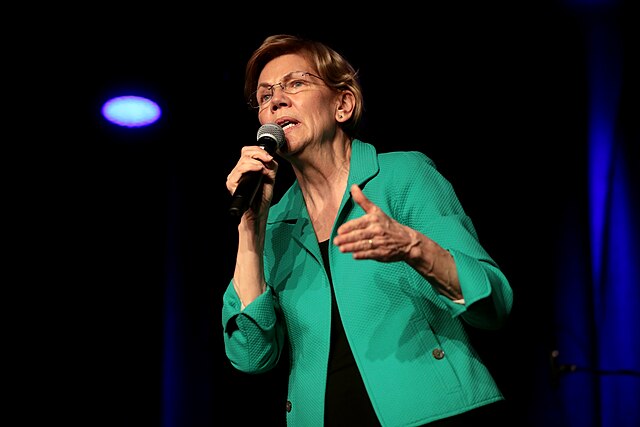
Now Is The Time For Fighters
On Monday, Senator Elizabeth Warren gave a speech at the National Press Club about how Democrats can rebuild durable trust with voters, win elections, and enact systemic change. She spoke with energy about how Democrats cannot win back a lasting majority by watering down their economic vision, and how candidates in future elections must “credibly demonstrate that they will take on a rigged system in order to fix it.” In other words, she called for the members of her party to refashion themselves as willing fighters.
December 17, 2025
Newsletter Corporate CrackdownEthics in GovernmentExecutive BranchFinancial RegulationIndependent Agencies
Cutting Crooks Some Slack
The administrative state’s Kafkaesque transmogrification into the mafia state
December 15, 2025
TRACKER: Cuts to Corporate Enforcement Capacity
This tracker records cuts made by the Trump-Musk administration to enforcement capacity at agencies responsible for overseeing corporations’ activities and identifying wrongdoing.
“Enforcement capacity” refers to staffing and funding dedicated to monitoring, oversight, investigation, and preparation of cases against corporations for breaking the law. Cuts to and attacks on enforcement capacity can include firings, buyout offers, funding cuts, reorganizations, and other steps the Trump administration has taken to date.

November 19, 2025 | Watchdog Weekly
Newsletter Corporate CrackdownDepartment of JusticeEthics in GovernmentExecutive BranchRevolving Door
Introducing “Watchdog Weekly”
Welcome back to the Revolving Door Project’s weekly newsletter, which is getting a new name: Watchdog Weekly. We’ve been writing this newsletter since the end of 2018, through three presidential administrations, two general elections, and an ongoing crisis of corporate accountability. Since the beginning, we’ve scrutinized the subtle ways in which corporate wealth shapes our politics: not only through direct spending and lobbying, but via the revolving door between industry and government, through interest groups and formal and informal networks, media influence, and more. We exist to help fill the vacuum of knowledge about who holds power and how power is wielded. We are watchdogs, and we wanted a name for this newsletter that reflects our mission to shed light on the ways that money corrupts politics which may otherwise evade scrutiny.
October 30, 2025
Democrats Once Fought “Pro-Arsenic” Republicans—They Should Try It Again
Recent history reveals a better way to politicize public health.

October 16, 2025
Big Business Will Not Save Us
Scrutinizing the “ideological warfare” a business community mouthpiece says drove Corporate America into the arms of a fascist.
October 03, 2025 | Watchdog Weekly
Corruption Calendar Weeks 36-37: Put an End to the Vought Show
Russell Vought has systematically orchestrated a shutdown of critical government services as budget chief. It’s time to end that.