
Search Results for
October 03, 2022
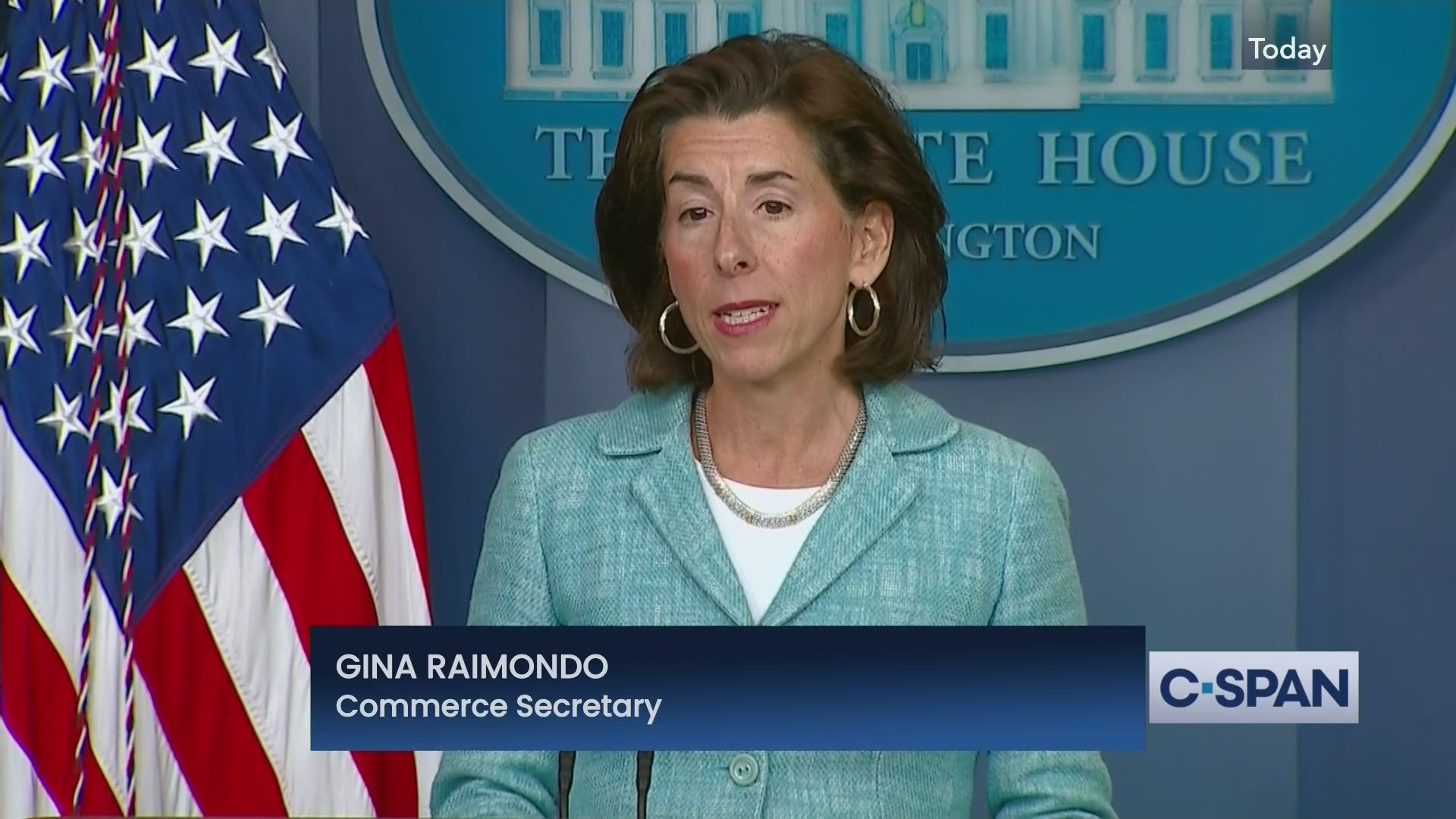
Gina Raimondo: Fire Acting Director of NOAA’s National Hurricane Center (NHC) Jamie Rhome
Today the Revolving Door Project released a petition calling on Secretary of Commerce Gina Raimondo to remove Acting Director Jamie Rhome from his position running the National Hurricane Center (NHC) at the Department of Commerce’s National Oceanic and Atmospheric Administration’s (NOAA).
September 21, 2022 | Revolving Door Project Newsletter
Backing Labor is More Powerful Politics Than Ever
For all the hours that people spend at work, stories about working (and working people) rarely get the spotlight. Labor makes headlines mostly when it’s no longer guaranteed. That pattern is clear in the headlines of late, with teachers in Columbus striking for air conditioning and teachers in Seattle striking for raises that barely keep up with inflation; with Minnesota private sector nurses striking to protest understaffing and safety issues that hurt both nurses and patients—all long-standing issues that have seen no national traction for years. Currently, the big labor story is that of the barely-averted freight worker strike, whose demands include such basic requests as not being disciplined for going to the doctor.
September 07, 2022
Blog Post Confirmations CrisisCongressional OversightGovernanceGovernment CapacityIndependent Agencies
The Confirmations Crisis
As we at the Revolving Door Project have long argued, the crisis surrounding the confirmations (or rather, the lack thereof) of Biden’s highly qualified nominees remains an issue of critical importance.
August 31, 2022 | Revolving Door Project Newsletter
Hannah Story Brown Toni Aguilar Rosenthal
Newsletter 2020 Election/TransitionConfirmations CrisisExecutive BranchGovernanceGovernment Capacity
The Confirmation Crisis Solidifies
The hyper-politicization of the Senate’s confirmation process, and the manipulation of the procedures by which it is governed, has led us to a dire moment in which Republican Senators have effectively given themselves the power to deny President Biden and the public a fully-staffed federal government. This iniquitous procedural politicking has stalled crucial agencies while denying Democrats rightful majorities at several independent agencies and the long-sought regulatory policies those majorities would bring.
August 19, 2022 | The American Prospect
Toni Aguilar Rosenthal Hannah Story Brown
Op-Ed Congressional OversightEthics in GovernmentExecutive BranchGovernanceRevolving Door
Where Has Congress Been on Trump Holdovers?
The public hearings conducted by the House Select Committee have exceeded many Democrats’ expectations, not only as conversation-changing political theater, but also as a venue to uncover vital information. For example, the country now knows that Secret Service text messages from January 6th were deleted from phones shortly thereafter in what the agency has called a “planned migration.” This is what congressional oversight activities should do: extract truths from the halls of power and pursue public accountability accordingly.

August 17, 2022
Corrupt Cuffari and our Continued Case for De-Trumpification
Donald Trump is not the only person who has been keeping evidence from law enforcement. The news cycle has been rocked for weeks by revelations that Secret Service agents deleted text messages, wiped their phones, and otherwise disappeared evidence related to their activities during Donald Trump’s attempted coup. These revelations are horrifying, as are the profound dangers such actions pose to our collective safety. Of course, it’s not just the threat to our national, personal, and political security that should inspire terror, but also how these behaviors fundamentally challenge the most effective tool that the public has to ensure accountability from its government: transparency.

July 26, 2022
Fossil Fuel-Tied Legal Experts Are the Main Critics of a Climate Emergency Declaration
months of dedicated advocacy and both public and private pressure from environmental groups which insisted an emergency declaration was necessary to meet the moment, it seemed like Biden was finally ready to respond. But the declaration didn’t come, and in the days since, PoliticoPro’s EnergyWire and GreenWire have given spotlights to legal experts opining on the legal and political merits of such a declaration.
July 15, 2022
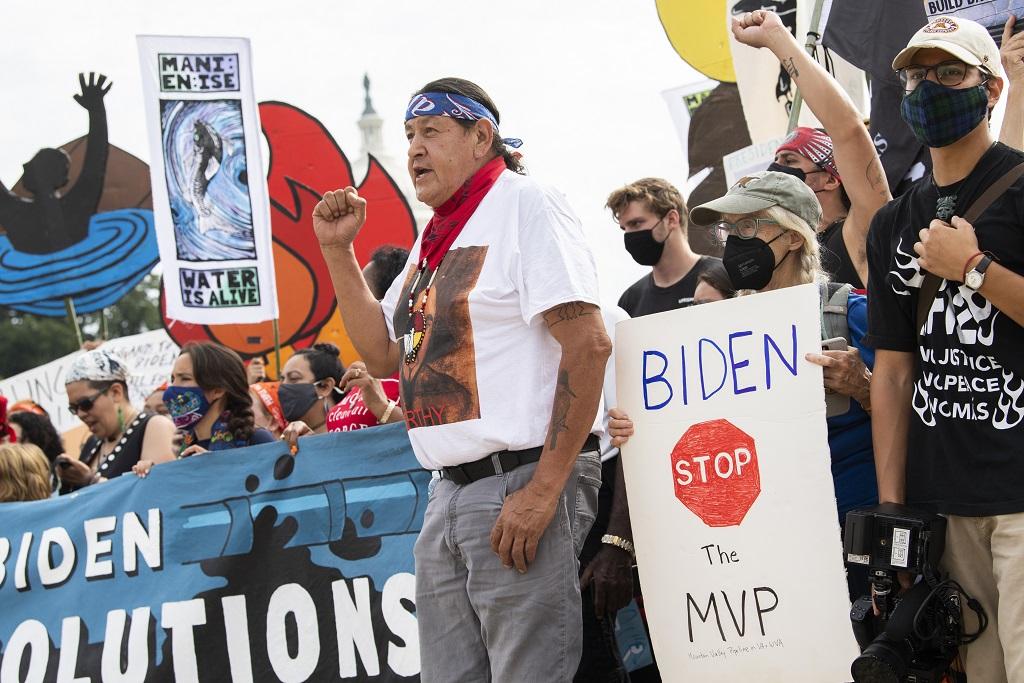
Biden Should Not Trade Executive Actions for Mythical Senate Promises
The president’s proposal to restart fossil fuel projects would abdicate his responsibility to ensure the laws are faithfully executed.
July 08, 2022
The Extraordinary (Time) Costs of Senate Republican Nomination Blockades
There are at least 366 presidentially appointed positions requiring Senate confirmation that are still awaiting a nominee or have nominees already going through the long, arduous, confirmation process. However, a process that has long been notorious for how time-consuming and antiquated it is, is intentionally being made even more difficult by nefarious Republican bad actors that are weaponizing Senate rules against supremely qualified nominees specifically to hinder the health of the federal government and to devastate President Biden’s agenda.
July 06, 2022
The State of Independent Agency Nominations - Update for Spring 2022
The Revolving Door Project has warned continuously of the extraordinary consequences inherent to failing to staff the federal government. Now, more than a year and a half into Biden’s presidency, staffing failures across the government have borne many of the bitter fruits which we warned of, and continue to undermine the Biden administration’s agenda.
July 01, 2022 | The American Prospect
In The Wake Of "Dobbs," Biden Leans on Familiar Excuses for Inaction
During his campaign, now-President Biden loved likening his image to that of FDR. But when a rogue U.S. Supreme Court threatened to overturn the sweeping reforms of FDR’s New Deal, Roosevelt directly challenged their gross power grab by threatening court expansion coupled with expansive judicial reforms. The controversial move paid off; the Court subsequently backed down and FDR preserved the slate of New Deal–era reforms that kept the working class alive during the depths of the Great Depression and formed the basis for much more broadly shared prosperity in the subsequent decades.
June 13, 2022
Almost Half Of U.S. Attorney’s Offices Have No Permanent Nominee. Where’s Biden’s Urgency?
This month President Biden nominated five additional people to helm the 93 districts of the Office of the United States Attorney. These five nominees brought Biden’s total nominations for the office up to just 53 out of 92 nominees for the office, or a little more than half. The vast majority of these nominations have occurred in states with a Democratic Senatorial delegation with many of these seats held hostage by Republicans wielding a racist Senate tradition to arbitrarily obstruct the process and these crucial seats nationwide. Now, nearly a year and a half into Biden’s presidency, the fact that almost half of these positions are still left without a nominee is a glaring indictment of Biden’s failure to prioritize these critically important positions.
June 13, 2022
Toni Aguilar Rosenthal Mekedas Belayneh
Blog Post Food and Drug AdministrationGovernment CapacityIndependent Agencies
The Decades-Long Food Failure at the FDA
In 2008, a deadly salmonella outbreak from contaminated peanut products killed nine and sickened over 700 people. In the aftermath, the peanut executives who poisoned people with food they knew was contaminated received decades-long prison sentences, an all-too-rare case of a corporate criminal being held responsible for the harm they caused. Contemporary public outrage also helped to fuel a push for more structural reform to the food safety regulatory system as a whole. Shortly after the outbreak, the Obama administration began whipping bipartisan congressional support for the Food Safety Modernization Act (FSMA), which sought to prevent future food safety crises by expanding and strengthening the Food and Drug Administration’s (FDA) authority over food. FSMA ultimately passed both the Senate and the House by wide margins and enjoyed broad public support when finally enacted in 2011.
May 11, 2022
House Oversight Hearing Shows Why Attacking Corporate Villainy Needs To Be A Priority
The hearing was a golden opportunity for Congress to actually hold a corporation to account for its objectively horrendous and potentially illegal behavior. On an ostensibly bipartisan issue like the opioid epidemic, one could be forgiven for thinking that the hearing would do just that.
May 10, 2022
The IRS Has Finally Been Given The Power to Rebuild. It’s Not Enough.
In March, six months after the start of Fiscal Year 2022, Congress finally passed an omnibus funding agreement that brought agencies out from under the shadow of Trump-era austerity (although still fell far short of enacting the funding levels that most agencies require to meet their responsibilities to the public). Critically, in the case of at least one agency, the omnibus did not just grant the money to hire new staff, but the means to do so much more quickly. At the Internal Revenue Service (IRS), Congress greenlit the use of direct hiring authorities to empower the agency to temporarily forgo some of the more onerous aspects of the federal hiring process as well as to facilitate a quick rebuilding of the IRS’ notoriously depleted ranks. With this designation, Congress acknowledged that staff shortages at the IRS had reached a state of emergency and thus acted accordingly.