
This newsletter was originally published on our Substack. Read and subscribe here.
Join me on a trip down memory lane to the early days of the George W. Bush administration, where the then-President unveiled plans to usher in the new millennium with a proposal to unleash poison into our drinking water.
The following quote, from a 2001 CBS News report, sums up the Bush administration’s “arsenic controversy” and Democrats once-held ability to get in the ring.
“Congressional Democrats announced preparations for battle today, warning that President Bush has declared war on the environment and public health and that they are ready to fight him every step of the way.”
Twenty-four years ago, Democrats stood lockstep in opposition to George W. Bush’s attack on environmental health and public safety. The party turned an otherwise dry regulatory fight into a political firestorm, and won.
As the Trump administration loudly wages an even more dramatic and destructive war on public health and climate protections, Democrats would do well to remember that moment — and the playbook they used to turn an obscure rule change into a public reckoning.
The Arsenic Reversal
In March 2001, just weeks after taking office, Bush’s Environmental Protection Agency’s Administrator (Christine Todd Whitman) suspended the implementation of a rule that limited the amount of arsenic permitted in drinking water.
The rule stipulated an 80 percent reduction in the threshold for arsenic in drinking water, lowering the acceptable level from 50 parts per billion to 10. Implementation of the new standard was finalized in the final three days of Clinton’s term—a point the Bush administration repeatedly invoked in defense of stalling out the action. Additional justifications for the move centered around Republican cliches about the costs of implementation and a supposed lack of consensus around the health impacts of ingesting arsenic.
The subtext of this so-called review, however, was clear: the administration wanted to appease the corporate interests in their corner, particularly in the mining and utilities industries. Under Clinton, industry complaints about the impacts on their bottom line yielded a softening of the arsenic rule from the 5 parts per billion limit EPA originally proposed. The polluting interests that financed Bush’s campaign sought to cash in on their investment and eliminate the new rule entirely.
Democrats, for their part, responded by amplifying the environmental movement’s outrage. They politicized the issue as a matter of moral clarity rather than cost-benefit analysis: the Bush administration is comfortable letting corporations poison the public’s drinking water.
How Democrats Fought Back Then
The party mobilized on multiple fronts. Lawmakers wrote to EPA’s general counsel questioning the legality of the suspension and even threatened to invoke the Congressional Review Act. The Senate ordered the National Academy of Sciences to study the issue, while House Democrats commissioned their own investigations into the administration’s interference with federal climate work.
And in public, they hammered away at a simple message: George W. Bush is pro-arsenic.
It worked. By July 2001, the Senate and House voted to codify the stricter standard into law; three months later, the administration reversed course entirely. The issue had become so politically toxic that the administration cobbled together a last-minute apology tour across multiple national parks in hopes of repairing the former president’s “conservative conservationist” image.
It was one of the first major public defeats of the Bush presidency, and it happened because Democrats turned a wonky (and corrupt) environmental policy decision into a political liability.
How Democrats Should Fight Back Now
Fast forward to today and the Trump 2.0 agenda threatens to be even more destructive to environmental and public health than his GOP predecessor. The Democratic opposition, however, has been slow to respond.
Once again, corporate interests have found a receptive ear in the White House to the detriment of American water, food, air, vaccines, and finances. And while the party has invoked healthcare as a key aspect of ongoing shutdown negotiations, their messaging has largely failed to viscerally connect Trump’s pro-corporate agenda to public harm.
Procedural fights to defend access to health insurance are necessary, but this moment also demands the party’s full embrace of a corporate crackdown agenda.
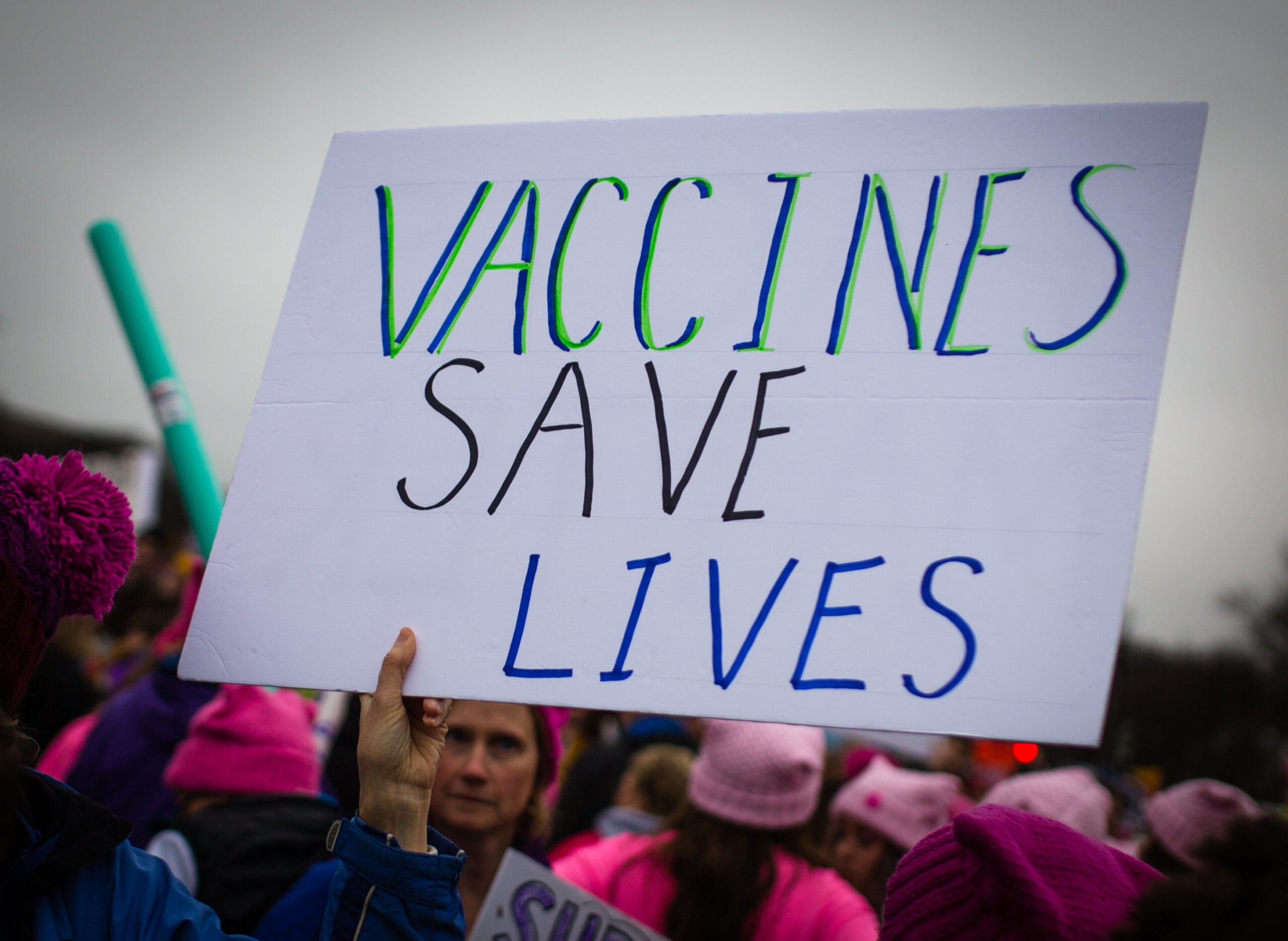
They can—and should—connect the dots between Trump’s regulatory rollbacks, his administration’s coziness with polluters, and the direct health consequences for non-rich Americans. But they shouldn’t stop there. Democrats still have tools at their disposal: oversight hearings, investigative commissions, public accountability campaigns, and, most importantly, a clear moral narrative about how Trump is a pro-measles, pro-hunger, and pro–disaster president.
Two decades ago, Democrats refused to let “pro-arsenic” Republicans off the hook. They turned a dry regulatory fight into a national scandal and forced the White House to back down.
The blueprint is there, Democrats just have to decide whether to use it.
Want more? Check out some of the pieces that we have published or contributed research or thoughts to in the last week:
Revolving Door Project Condemns Pardon of Crypto Criminal Changpeng Zhao
Amid The Shutdown, Flood Insurance Profiteers Are Riding The Wave