
Search Results for
January 19, 2022
Climate Finance Capacity: Office of the Comptroller of the Currency
supervising all national banks, federal savings associations, and agencies of foreign banks. It primarily regulates the risk that banks can take on, delineates what is considered “banking,” and investigates banks’ balance sheets.

January 19, 2022
New Report Warns Agency Capture Threatens OCC Climate Response
Today the Revolving Door Project released a report on the Office of the Comptroller of the Currency’s OCC) capacity to implement and enforce climate regulation. This is the third installment of the project’s ongoing Climate Finance Capacity project \identifying the tools each component of the Financial Stability Oversight Council (FSOC) has to address the climate crisis through regulatory reform and the capacity-related obstacles that could stand in the way. Prior installments have looked at the Commodities Future Trading Commission (CFTC) and the Securities and Exchange Commission (SEC).Through this project, we aim to highlight the responsibility each of these agencies have in regulating our financial system towards a more sustainable future, and the reforms necessary to achieve this vision as examined through the lens of each agency’s unique resourcing.
January 19, 2022
The State of Independent Agency Nominations - Update for Fall 2021
Since the start of the year, we have warned that failure to promptly fill vacant and expired seats on independent agency boards would undermine the Biden administration’s agenda across many issue areas. Now, as executive branch policymaking kicks into high gear across this administration, we are seeing examples of this warning becoming a reality.
January 14, 2022
Personnel Is Policy For Communities On The Wrong Side Of The Digital Divide
Many of Biden’s broadband equity initiatives are being overseen by a former telecom lobbyist with little expertise in digital equity.
January 13, 2022 | Democracy Journal
What Biden’s Message Should Be
Americans were more divided than ever in 2021, but everyone in the country still agreed on one thing: The Democratic Party has a messaging problem.
“We’ve got a national branding problem that is probably deeper than a lot of people suspect,” Democratic pollster Brian Stryker, who is currently working with the centrist think tank Third Way to understand why Democrats lost the recent governors’ race in Virginia told The New York Times. “I’m not going to argue it’s working right now, but I need it to work when it matters,” Rep. Sean Patrick Maloney (D-NY), chair of the Democratic Congressional Campaign Committee told The Washington Post in November of the Democrats’ efforts to sell their legislative victories. Senator Kirsten Gillibrand (D-NY) seemingly agrees, telling attendees at a recent fundraising dinner that “Democrats are terrible at messaging. It’s just a fact.”
January 13, 2022 | The American Prospect
Fire Jeff Zients
Biden’s COVID czar has gone from ‘Mr. Fix-It’ to grim reaper, steering the administration’s pandemic response to catastrophic lows.
January 12, 2022 | Revolving Door Project Newsletter
Pelosi Turns a Political Slam Dunk to a Troubling Liability
With Omicron surging, Build Back Better sputtering, and the latest voting rights push facing long odds, it’s no secret that Democrats are in desperate need of a win to prove their worth. So what did Democratic leadership do when one such opportunity – enthusiastically championing a move to ban members of Congress from trading stocks – fortuitously fell into its lap? You guessed it…Speaker Nancy Pelosi mocked and immediately rejected it.

January 11, 2022
The Case For Vaccine Equity
To truly bring an end to the Covid-19 pandemic which has ravaged the globe, the Biden administration must embrace a strategy of vaccine equity.
January 11, 2022
Climate Finance Capacity Project: Securities and Exchange Commission
Climate change poses a serious threat to everything the Securities and Exchange Commission (SEC) is meant to protect and oversee. The Commodity Futures Trading Commission (CTFC)’s “Managing Climate Risk in the U.S. The Financial System ”report makes this abundantly clear. The report concludes that climate change may “exacerbate existing, non-climate related vulnerabilities in the financial system, with potentially serious consequences for market stability”. Furthermore, the physical and transitional risks of climate change will likely lead to systemic and sub-systemic financial shocks. These shocks would cause “unprecedented disruption in the proper functioning of financial markets and institutions” and further marginalize communities underserved by the financial system. To fulfill its mandate, of maintaining fair, orderly, and efficient markets, protecting investors, and facilitating capital formation, the SEC must proactively ensure there is enough personnel to monitor and enforce regulations that will keep markets stable and adaptable.
January 11, 2022
New Report Warns That Insufficient Capacity at The SEC Might Limit its Role In the Fight Against Climate Change
Today, the Revolving Door Project released its SEC Climate Capacity Report examining the detrimental impact of capacity shortfalls on the Securities and Exchange Commission (SEC)’s climate work. This report is the second installment of its Climate Finance Capacity Project. The Climate Finance Capacity Project explores the power and responsibility that each of the Financial Stability Oversight Council’s member agencies has to address the climate crisis and consider how resource limitations threaten to limit their impact.
January 10, 2022
Questions And Answers About The FDIC
McWilliams resigned after spending December publicly insisting that Chopra, Gruenberg, and Hsu were undermining her authority by conducting a legal, notational vote-by-mail on a proposed Request For Information (RFI) about possible updates to bank merger review rules.
January 10, 2022
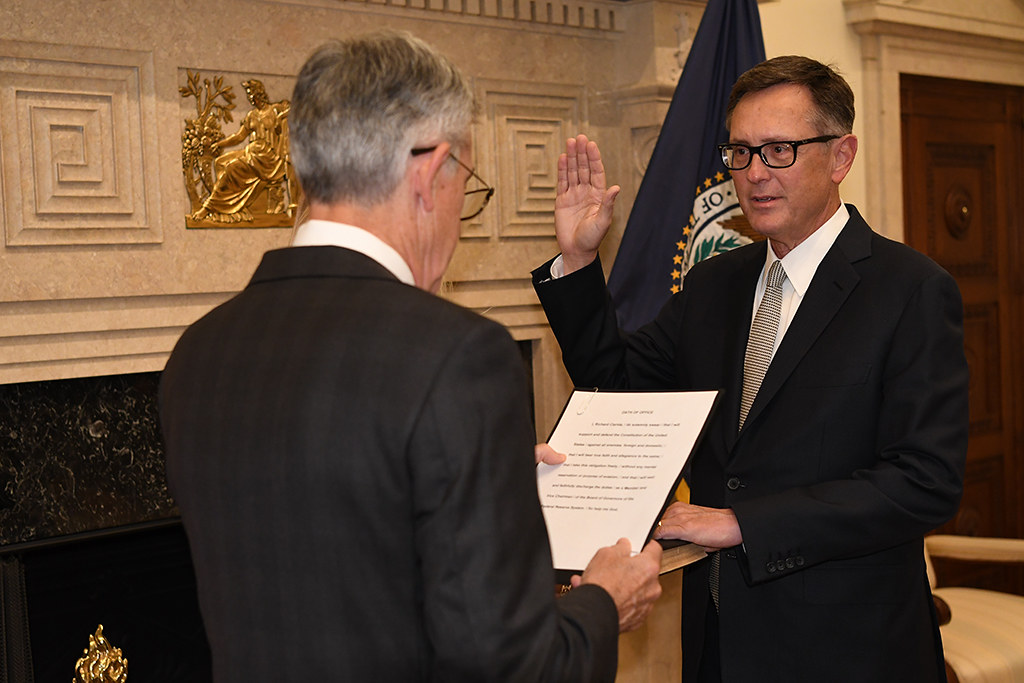
The Public Still Needs Answers About The Fed
Federal Reserve officials’ conduct has cast doubt on the institution’s credibility to provide these answers. It is, therefore, critical that members of the media and of Congress seek independent answers.
January 10, 2022
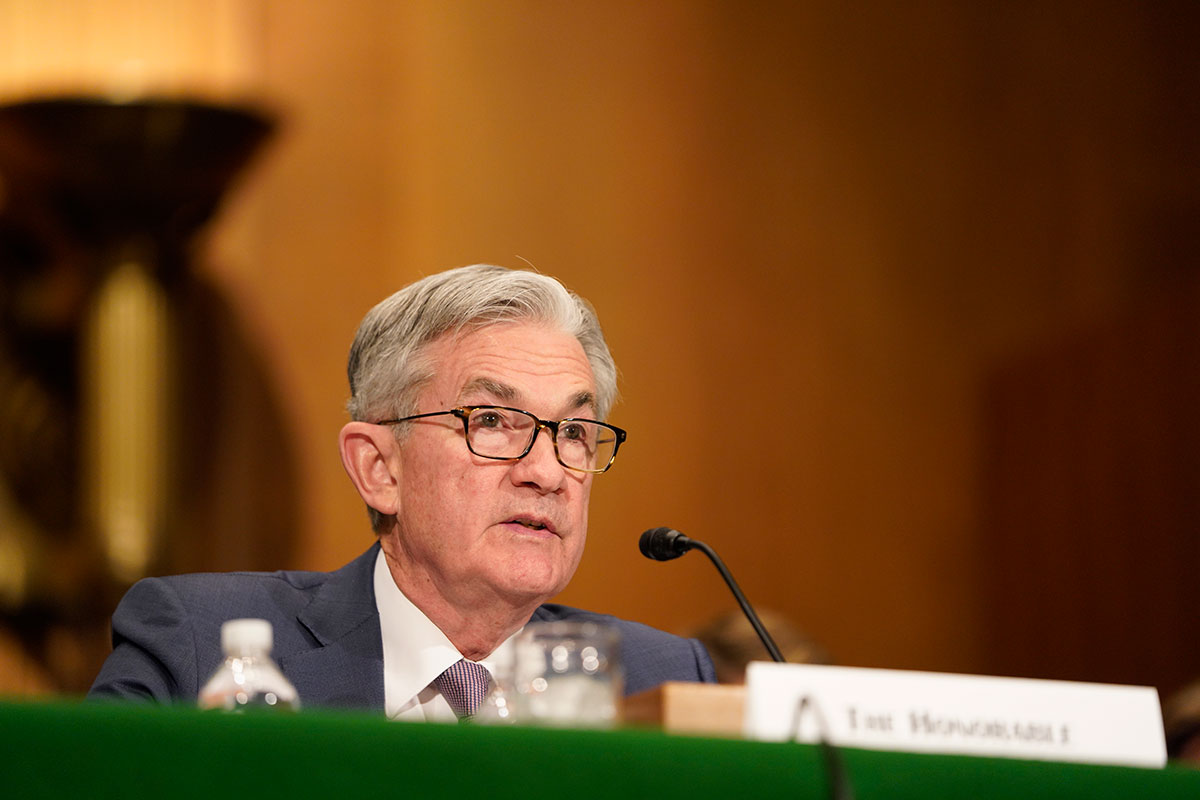
Letter Calls on Senators to Grill Powell on Fed Ethics Failures
In the fall of 2021, a series of trading scandals rocked the Federal Reserve and cast doubt on every aspect of its ethics program, from disclosure practices and vetting standards to enforcement mechanisms. The message to the public was clear: under chairman Jerome Powell, the Federal Reserve’s sole executive officer and the official to whom the institution’s staff reports, ethical conduct was not a priority. After initially brushing off the seriousness of these revelations, Powell seemingly sought to change that impression by instituting new ethics standards and launching an Inspector General’s investigation.
January 06, 2022 | The American Prospect
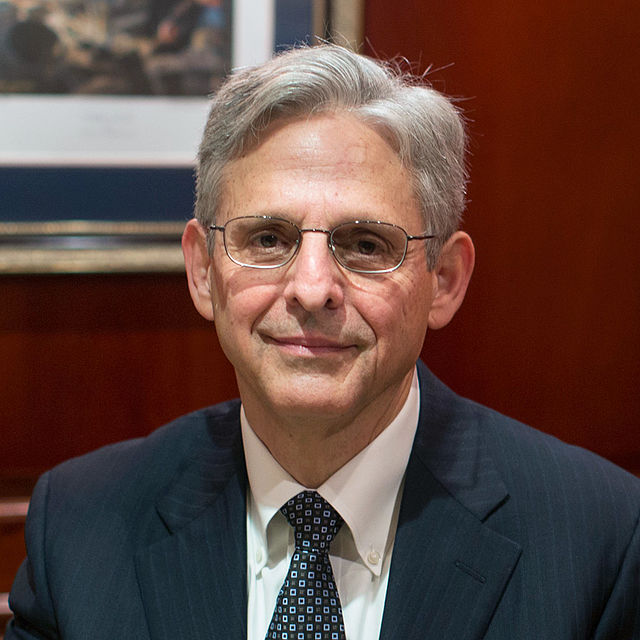
Merrick Garland Is Undermining The Biden Antitrust Strategy
In theory, nothing prevents Biden from hiring whomever Kanter personally trusts to help execute their shared agenda. So what’s causing the chaos?
January 05, 2022 | Revolving Door Project Newsletter
The Stones that Paved the Way to 1/6
Tomorrow marks one year from when rioters stormed the Capitol building in an attempt to overturn the 2020 presidential election. In the 364 days since that horrific event some things have certainly changed: the presidency has successfully changed hands, almost 200 insurrectionists have plead guilty, and a handful of Trump’s associates have been held in contempt of Congress for their refusal to testify before the select committee. And yet, in other respects, progress has been woefully incomplete. Key officials from the Trump administration remain in place, the federal government continues to defend many of Trump’s seemingly indefensible legal positions, and Trump and his inner circle have not faced consequences for inciting the insurrection.