
Our Blog
April 12, 2022
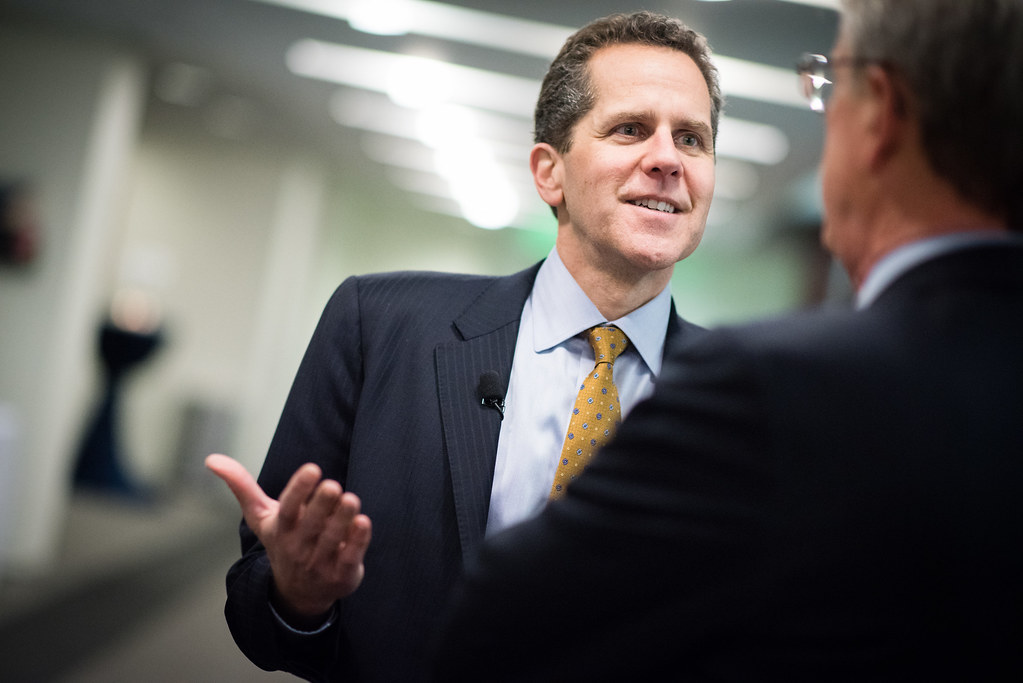
Want To Show That Dems Have Learned Nothing Since 2008? Give Michael Barr A Fed Seat
“Michael Barr was too close to fintech and cryptocurrency schemers to be the Comptroller of the Currency, and he is still too close to them to be Vice Chair for Supervision.”

April 12, 2022 | The American Prospect
Biden Must Block Crypto’s Access to the Revolving Door
Fortunately, Biden has the means to stop at least one aspect of crypto’s campaign in its tracks. Through an executive order, he can cut off crypto’s access to the revolving door by barring the officials who are involved in developing regulations for the digital assets industry from working for it for at least four years. By rights, it should be a bare-minimum anti-corruption standard.
April 11, 2022
Letter to Senate Judiciary Committee: Scrutinize Commerce Secretary Gina Raimondo's Refusal To Release Her Calendars
April 08, 2022
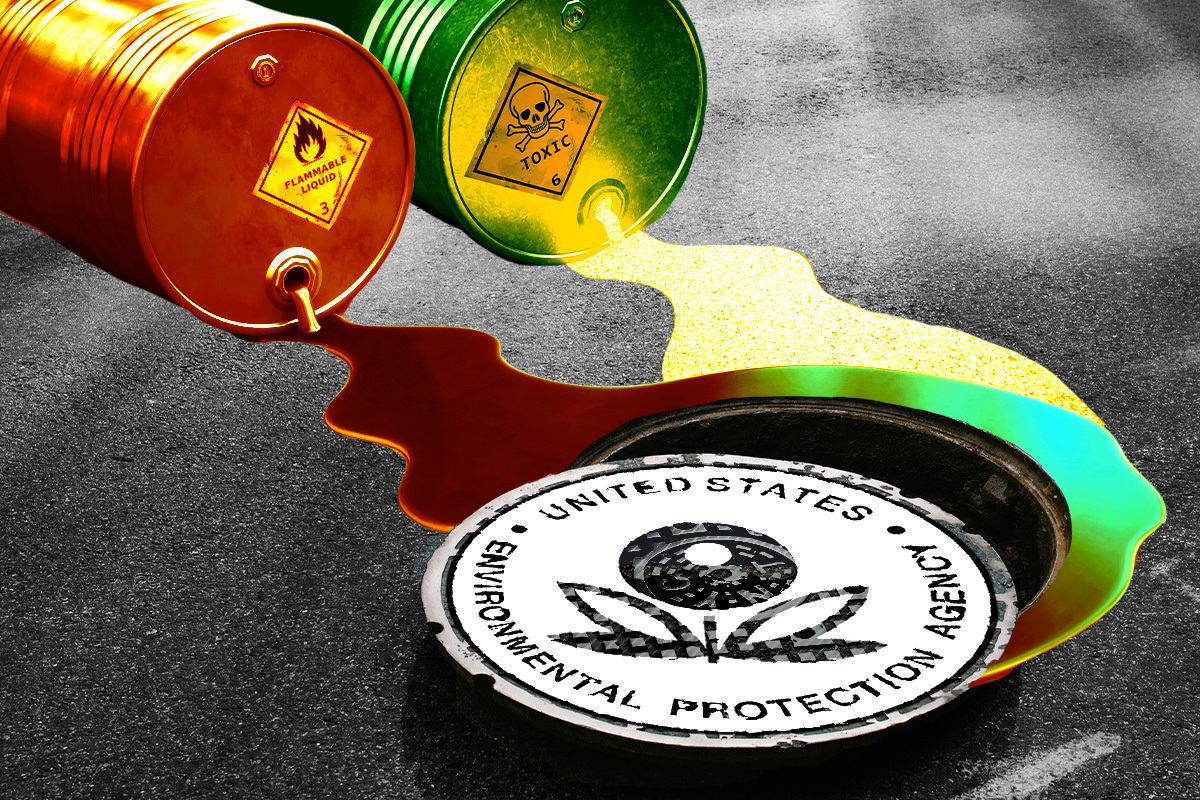
The Stakes Are High For The EPA’s Newly Appointed Chemical Review Director
Denise Keehner is expected to start on Monday as the Environmental Protection Agency’s new director of the Office of Pollution Prevention and Toxics (OPPT), Bloomberg Law reported last week. Keehner is a former EPA official currently employed by Maryland’s Department of the Environment.

April 07, 2022
How Biden’s HUD Can Tackle The Housing Crisis
Even without Congress, advocates say there’s a lot that HUD can do to protect tenants and promote affordable housing.
April 06, 2022
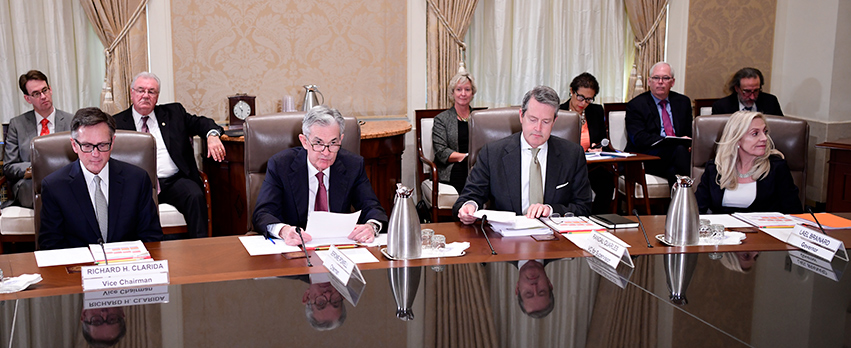
Congress Should Heed the Lessons from the Federal Reserve's Ethics Scandals
After a stream of stories throughout the pandemic revealed seemingly rampant congressional insider trading, laughable disclosure practices, and nonexistent enforcement, Congress appears finally to be feeling the pressure to clean up its act. In recent weeks, lawmakers have introduced a flurry of new bills to limit conflicts of interest and help restore public trust in our governing institutions.
As they begin to forge a piece of consensus legislation, they should consider that members of Congress were not the only political leaders to violate public trust throughout the pandemic period. The trading scandals within the Federal Reserve system, for example, revealed material ethical deficiencies that have yet to be satisfactorily addressed. It’s important to recognize that these deficiencies are not unique to the Federal Reserve and that they represent an ongoing threat to public trust in other powerful corners of the executive branch as well. To rebuild that trust in government, lawmakers must learn the lessons of the Federal Reserve scandals and develop fixes for these deficiencies there and elsewhere.
April 06, 2022 | Revolving Door Project Newsletter
Separating Biden World Wheat from Chaff
Measured in positions still awaiting permanent appointments, the first presidential transition is still far from over. Of the 799 positions that the Partnership for Public Service included in its political appointee tracker, 117 still lack a nominee. An additional 161 are empty or being filled in an acting capacity as the nominees for them work their way through an ever more dysfunctional Senate confirmation process.
April 05, 2022
Putting Biden’s Antitrust Budget Increases In Context
The federal government may no longer be operating under the onus of Trump-era austerity, but agencies across the federal government are still far from having the resources they need to quickly and effectively fulfill their responsibilities to the American people. For the most part, President Biden’s proposed FY 2023 budget fails to fill that gap. However, increased funding for antitrust regulation is one of the bright spots in an otherwise uninspired budget. As we have covered in the past, both the Federal Trade Commission (FTC) and the Department of Justice’s Antitrust Division (ATR) saw staffing levels stagnate and budget allocations that did not keep pace with inflation or GDP growth.
April 04, 2022 | The American Prospect
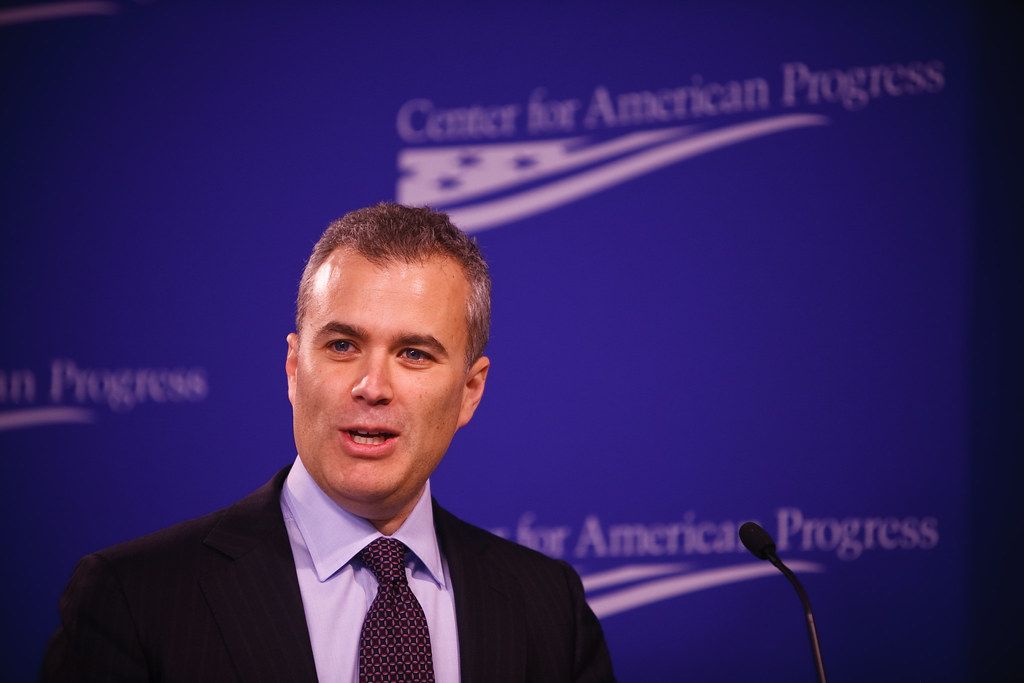
The Corporate Past Of Jeffrey Zients
Over the span of two decades, the health care companies that Zients controlled, invested in, and helped oversee were forced to pay tens of millions of dollars to settle allegations of Medicare and Medicaid fraud. They have also been accused of surprise-billing practices and even medical malpractice.

March 31, 2022
Letter to the Center for Judicial Ethics on Big Tech Creating Expert Conflicts of Interest
We are a diverse coalition of advocacy organizations with a strong interest in the fair and neutral application of the law by courts. We write to express our concern about the growing problem of bias and conflicts of interest that arise from Big Tech funding the careers of the legal experts that judges draw on to understand the law and support their decisions. We ask that the Center for Judicial Ethics assist judges to avoid citing to experts and academics with obvious conflicts of interest as they adjudicate the many cases regarding the Big Tech platforms. We further ask that you encourage judges to require comprehensive disclosure by experts hired by Big Tech platforms.
March 30, 2022 | Revolving Door Project Newsletter
Eleanor Eagan Hannah Story Brown
Corporate CrackdownDe-TrumpificationEthics in GovernmentIndependent Agencies
Build Back Cheaper, and Other Failures of the Centrist Imagination
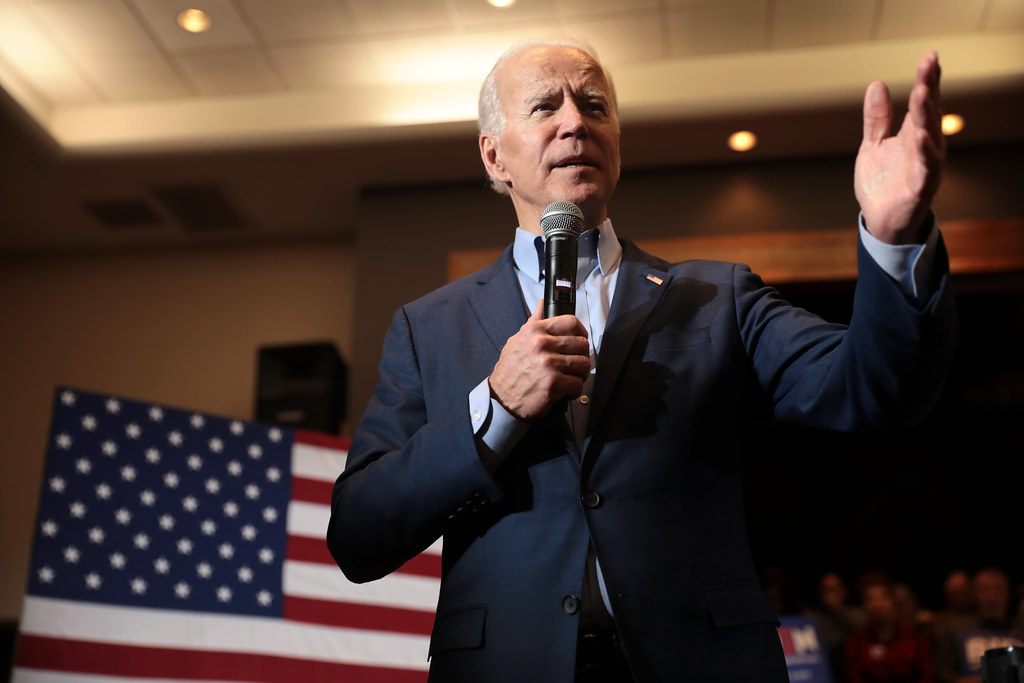
Across the Biden administration, officials have promised (long overdue) accountability for corporate criminals. But talk is cheap. We at the Revolving Door Project are eager to see serious action to back it up. Our latest analysis, released yesterday, shows the administration is falling short of its ambitious rhetoric. We found that it “pursued at least 24 prosecutions and rulemakings to crack down on white-collar crime this winter, but took no action against at least 48 crimes or abuses.” You can read more about those cases in our brand new tracker. Our team will add updates regularly and share a biweekly news round-up with newsletter subscribers.
March 29, 2022
Press Release Congressional OversightCorporate CrackdownDepartment of JusticeExecutive BranchIndependent Agencies
Biden Gave Most Corporate Crimes A Pass This Winter, New Analysis Shows
The Biden administration pursued at least 24 prosecutions and rulemakings to crack down on white-collar crime this winter, but took no action against at least 48 crimes or abuses, a new data set from the Revolving Door Project shows
March 28, 2022
The DOJ Should Follow Its Own Guidance on FOIA Administration
The celebration of Sunshine Week earlier this month underscored the importance of the continued effort to ensure effective administration of the Freedom of Information Act (FOIA) and its central role for open democracy. Passed by Congress in 1966, FOIA allows citizens to request unpublished records and information from the federal government. Watchdog organizations have long relied on records obtained from FOIA requests to hold the government accountable to public interests. But, the system comes with a plethora of flaws that prevents adequate timeliness and transparency. Endless backlogs, increased usage of exemptions, partially redacted documents, and outright denials leave much to be desired in the administration of FOIA today.

March 28, 2022
Dylan Gyauch-Lewis Mekedas Belayneh
Blog Post Anti-MonopolyCongressional OversightCorporate CrackdownExecutive BranchIndependent Agencies
Shipping Cartels Are Spiraling Out Of Control. The Agency Set To Regulate Them Doesn’t See The Problem.
The Federal Maritime Commission’s leaders have no interest in breaking up the shipping conglomerates’ price-gouging which Biden promised the nation.
March 28, 2022
Biden’s Weak Record On White-Collar Crime Is (Partly) Thanks To Congress
When Republicans blockade confirmation hearings, they handcuff the government’s ability to handcuff lawbreaking executives.