
Search Results for
July 16, 2024
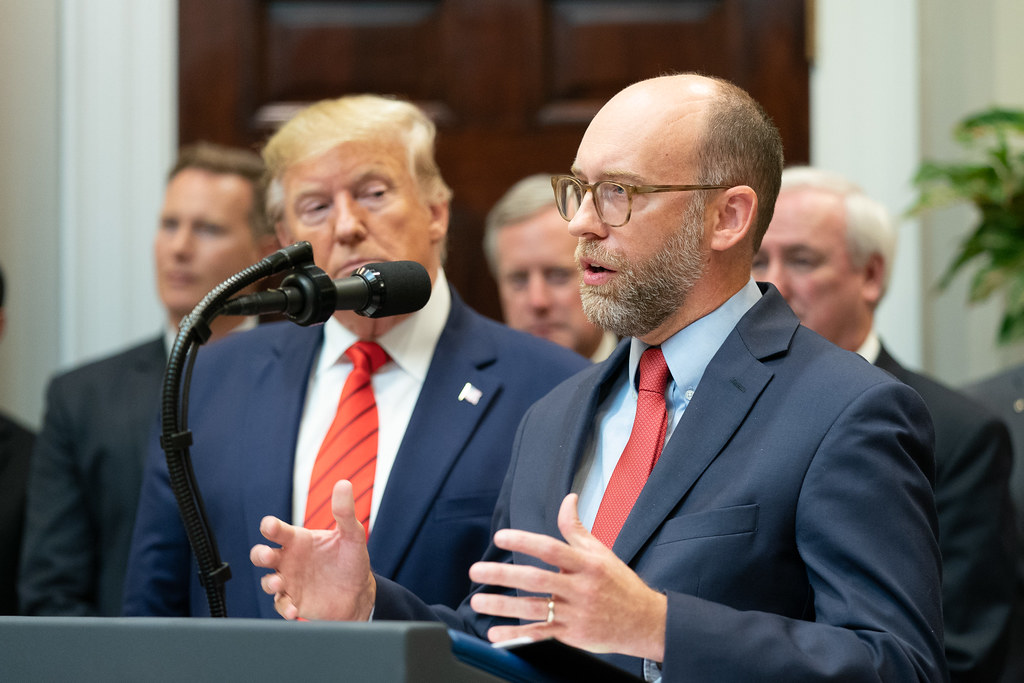
Former Trump Officials Wrote 25 of the 30 Chapters in the Project 2025 Playbook
Former President Trump has recently sought to distance himself from Project 2025 and its radical proposals, claiming that he knows “nothing about” it, has “no idea who is behind it,” and has “nothing to do with them.” Project 2025 has tried to create some distance as well, maintaining in a recent tweet that it is “not affiliated with former President Trump.” It’s a classic example of drawing a distinction without a difference.
July 15, 2024 | The American Prospect
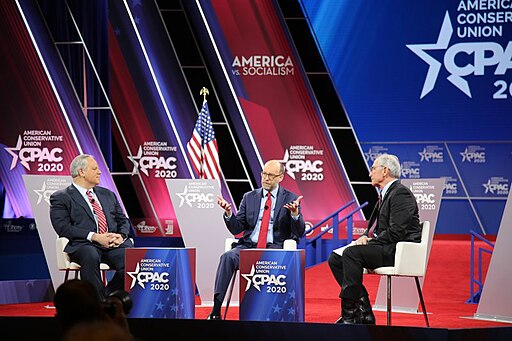
The Dangerous Authoritarian Gunning to Serve as Trump’s Grand Vizier

July 09, 2024
Interview Climate and EnvironmentEthics in GovernmentExecutive BranchFinancial RegulationIndependent AgenciesJudiciarySupreme Court
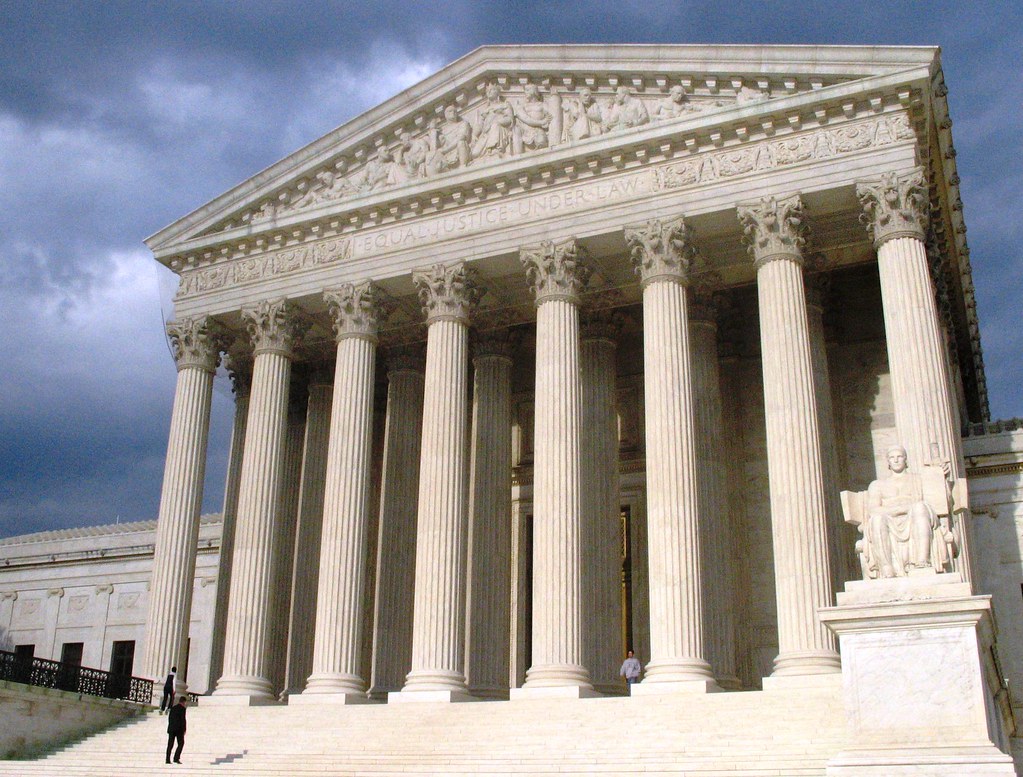
PODCAST: RDP's Vishal Shankar Talks SCOTUS Chevron Ruling On KALW's Your Call
RDP’s Vishal Shankar joined KALW’s Your Call to discuss the Supreme Court’s overturning of Chevron deference and the right-wing Big Money interests that lobbied for the ruling.
July 03, 2024 | The American Prospect
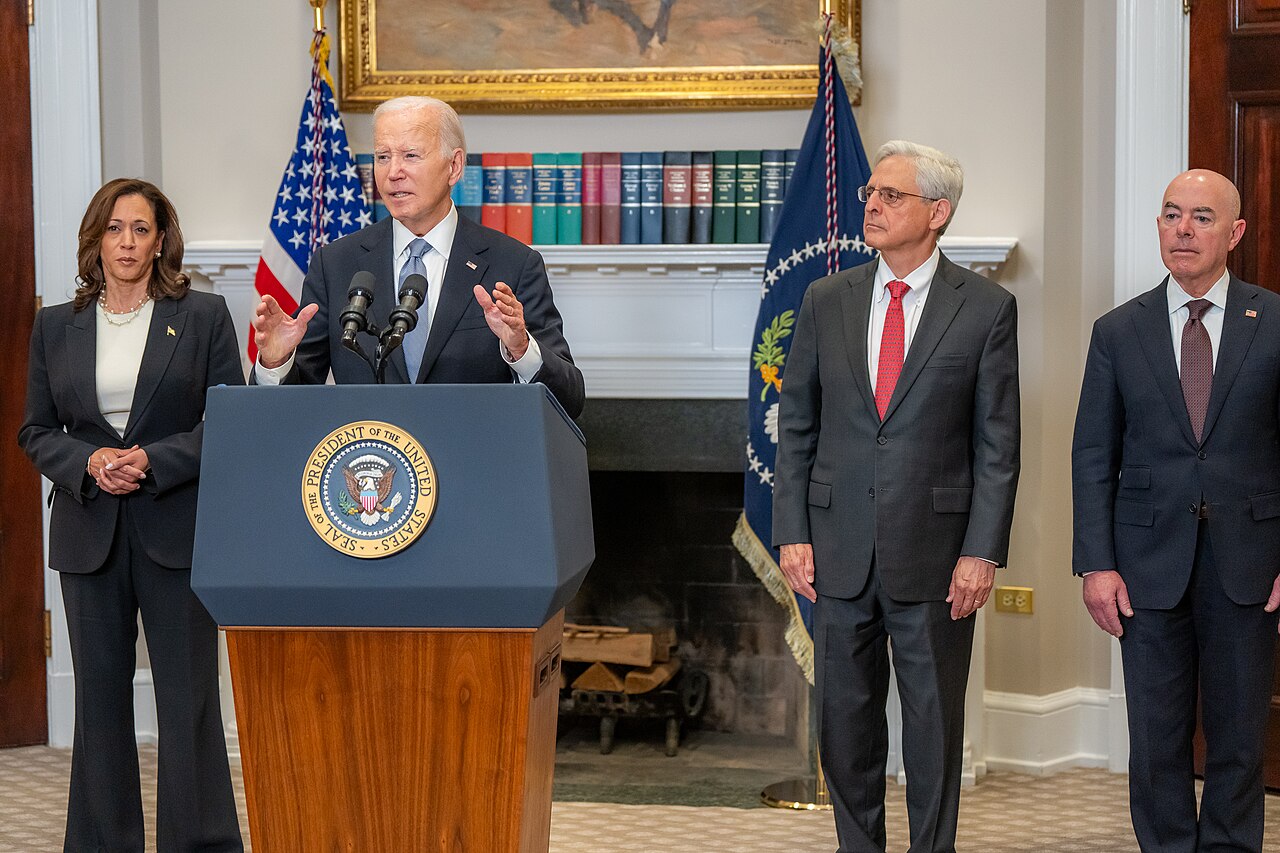
The Justice Department’s Next Climate Test
President Biden’s Justice Department has been offered two opportunities to act on holding oil and gas companies responsible for their deceit. It can protect state efforts to pursue accountability, and it can join them.
June 27, 2024 | The American Prospect
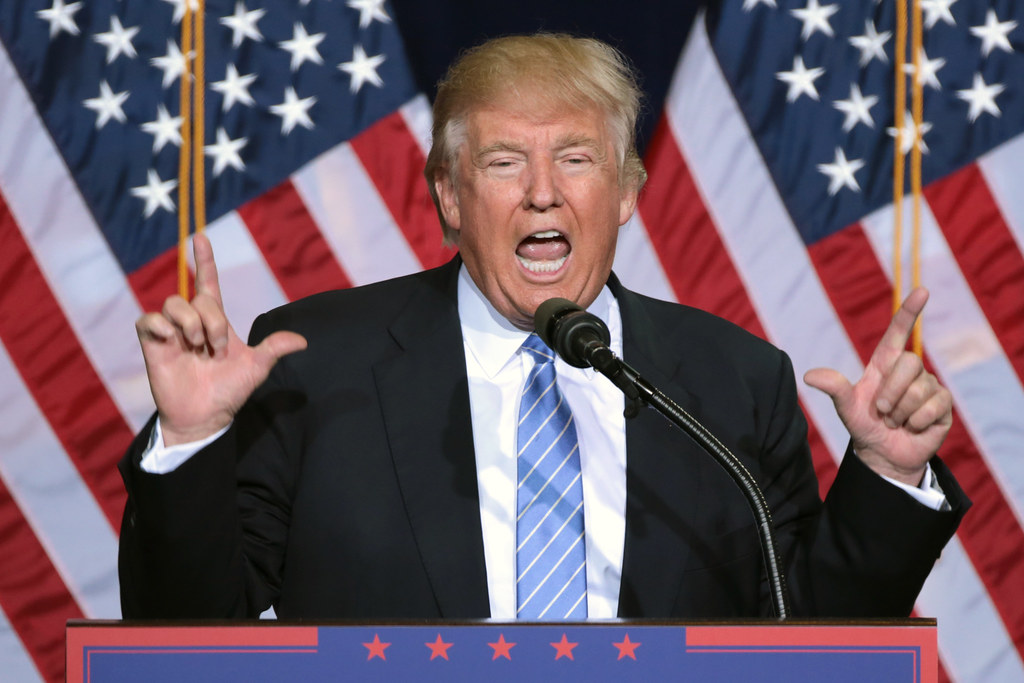
On Debate Night, Highlight How These Presidents Ran the Executive Branch
As election season heats up, it’s critical for reporters and editors to pair fresh coverage with clear reminders of the candidates’ records of administering the executive branch. An honest representation of these records would show how Trump and his hand-picked leadership treated the federal government as either their personal fief or a conduit for institutionalizing corporate interests.
June 26, 2024 | Revolving Door Project Newsletter
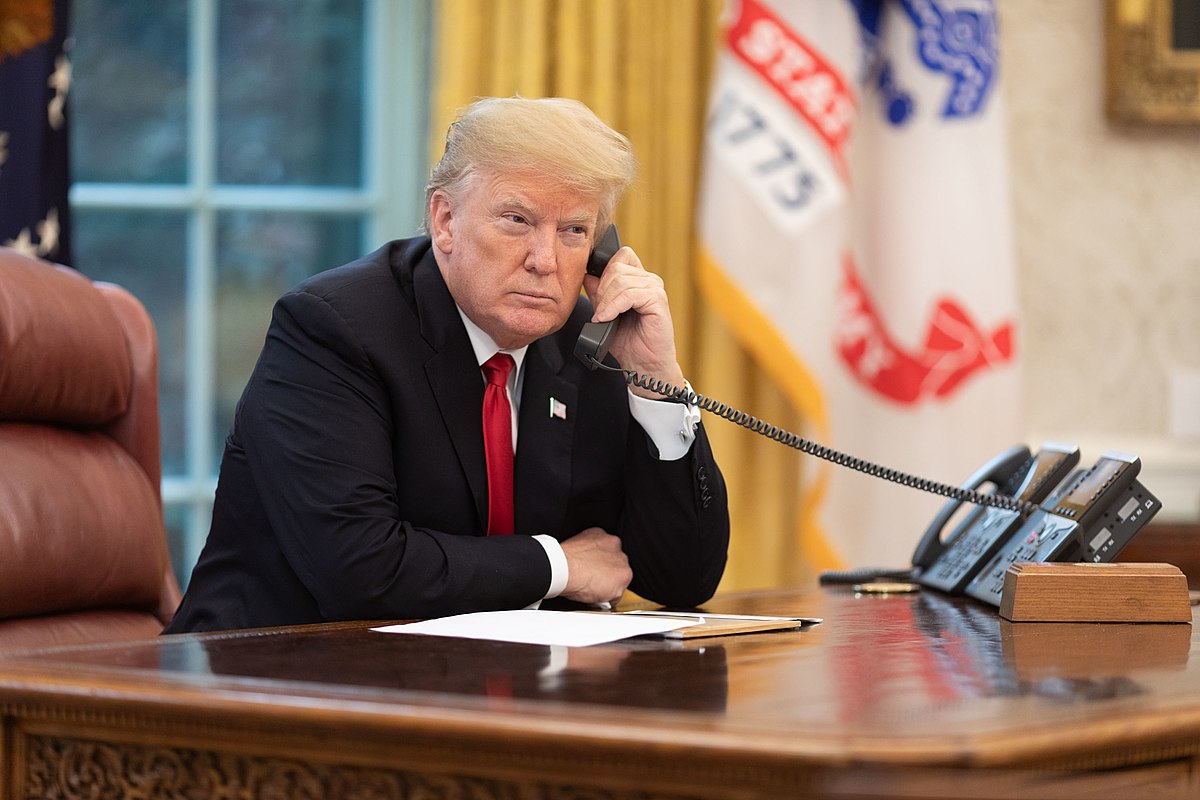
A Trump Administration Postmortem for the 2024 Election Season
How much do you remember about what politics was like under President Donald Trump? I would not blame you for putting Trump’s parade of scandals in the rearview mirror. But we have to look again, because that clown show is still on the road. It’s in our blind spot, endeavoring to pull ahead.
June 24, 2024
Press Release Climate and EnvironmentDepartment of TransportationEducationEthics in GovernmentExecutive BranchFEMAFinancial RegulationHousingImmigrationLaborProject 2025Revolving Door
RELEASE: New Memos Detail The Trump Administration’s Troubling Stewardship of the Federal Executive Branch
The memos, which cover a broad range of themes, including disaster and emergency management, labor, housing, transportation, financial regulation and more, highlight the myriad ways the former president and his cast of conflicted appointees prioritized corporate interests while jeopardizing the health, safety and wellbeing of the American people.
June 13, 2024
License To Drill
Fossil-fueled Democrats want to use unverifiable “certified gas” schemes to undermine one of Biden’s most important climate moves.
June 12, 2024
Amicus Spotlight: Loper Bright & Relentless
21 right-wing groups linked to court-whisperers want SCOTUS to make its most dangerous regulatory power grab yet.
June 12, 2024 | Revolving Door Project Newsletter
Hannah Story Brown Andrea Beaty
Newsletter Anti-MonopolyClimate and EnvironmentEthics in GovernmentExecutive Branch
Utilities Doubling Down On Fossil Fuels? That’s A Junk Fee!
In late May, Brian Deese, the former director of President Biden’s National Economic Council and current MIT fellow, wrote about “The Next Front in the War Against Climate Change” for The Atlantic. Deese explained that while the Inflation Reduction Act’s incentives have stimulated clean energy demand “beyond my wildest hopes,” he still finds himself “lying awake at night, worried that America could still fail to meet its climate goals.”
June 11, 2024 | Slate
Toni Aguilar Rosenthal Jeff Hauser
Op-Ed 2024 ElectionExecutive BranchProject 2025State Attorneys General
The Worst Possible Trump Attorney General Is the One He’d Be Likeliest to Pick
Donald Trump’s Department of Justice was a nightmare. Jeff Sessions, Trump’s first attorney general, dismantled civil rights and civil liberties protections, instituted heinously cruel border policies, and vociferously attacked the right to vote. William Barr, Sessions’s ignominious successor, then used his time at DOJ’s helm to overtly weaponize the department against voters and Trump’s political opponents.

May 24, 2024 | The American Prospect
Mr. Biden, Tear Down This Debt Ceiling!
The debt ceiling reprieve reached last year is quickly running its course. We need to start the work to keep it from derailing Democratic priorities again.