
Search Results for
January 28, 2022
Capacity Shortfalls At The FHFA
The Federal Housing Finance Agency (FHFA) is an independent federal agency established by the Housing and Economic Recovery Act of 2008 (HERA) following the 2008-2010 subprime mortgage crisis. Upon its creation, the FHFA replaced the Federal Housing Finance Board (FHFB), the Office of Federal Housing Enterprise Oversight (OFHEO), and the GSE mission office at the Department of Housing and Urban Development (HUD). The FHFA is responsible for ensuring regulated entities “fulfill their mission by operating in a safe and sound manner to serve as a reliable source of liquidity and funding for the housing finance market throughout the economic cycle.” The agency oversees the supervision, regulation, and housing mission oversight of Fannie Mae, Freddie Mac (the Enterprises) and the Federal Home Loan Bank System, which includes the 11 Federal Home Loan Banks (FHLBanks) and the Office of Finance.
January 11, 2022
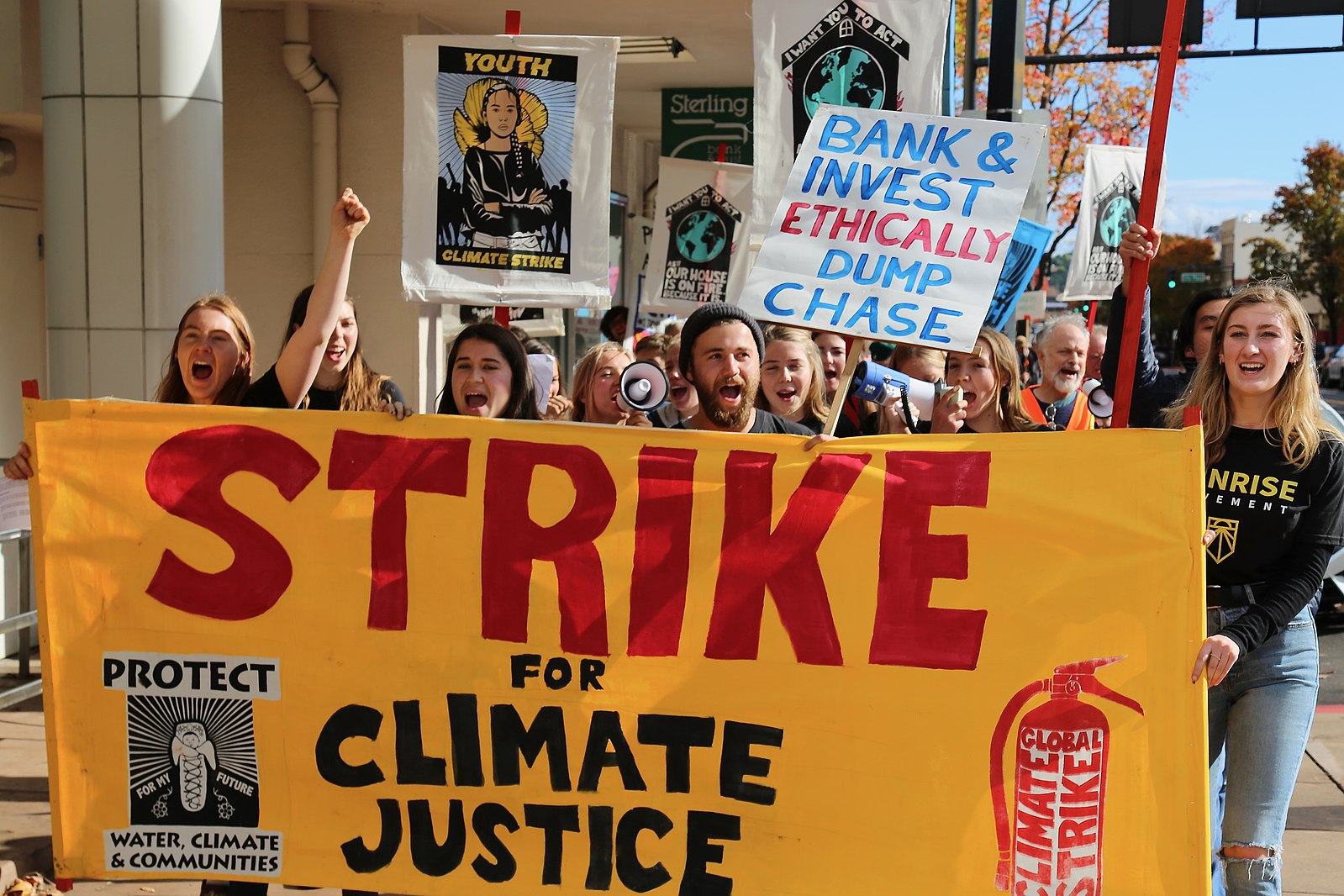
Climate Finance Capacity Project: Securities and Exchange Commission
Climate change poses a serious threat to everything the Securities and Exchange Commission (SEC) is meant to protect and oversee. The Commodity Futures Trading Commission (CTFC)’s “Managing Climate Risk in the U.S. The Financial System ”report makes this abundantly clear. The report concludes that climate change may “exacerbate existing, non-climate related vulnerabilities in the financial system, with potentially serious consequences for market stability”. Furthermore, the physical and transitional risks of climate change will likely lead to systemic and sub-systemic financial shocks. These shocks would cause “unprecedented disruption in the proper functioning of financial markets and institutions” and further marginalize communities underserved by the financial system. To fulfill its mandate, of maintaining fair, orderly, and efficient markets, protecting investors, and facilitating capital formation, the SEC must proactively ensure there is enough personnel to monitor and enforce regulations that will keep markets stable and adaptable.

November 05, 2021 | The American Prospect
A Missing Link in the Fight Against the Climate Crisis
With his legislative climate agenda hanging in the balance, President Biden turned to executive action this week in his attempt to “assert American leadership” at COP26 in Glasgow. On Tuesday, the Environmental Protection Agency (EPA) announced sweeping new rules to curb methane emissions. Those standards, which the agency estimates would eliminate a greater volume of emissions between 2023 and 2035 than those emitted from all U.S. passenger cars and commercial planes in 2019, were rightly applauded. For now, however, these are just estimates. Ensuring that they turn into real-life emissions reductions that meet or exceed expectations will require that agencies have the capacity to promptly write strong new rules and, then, enforce them.
November 02, 2021
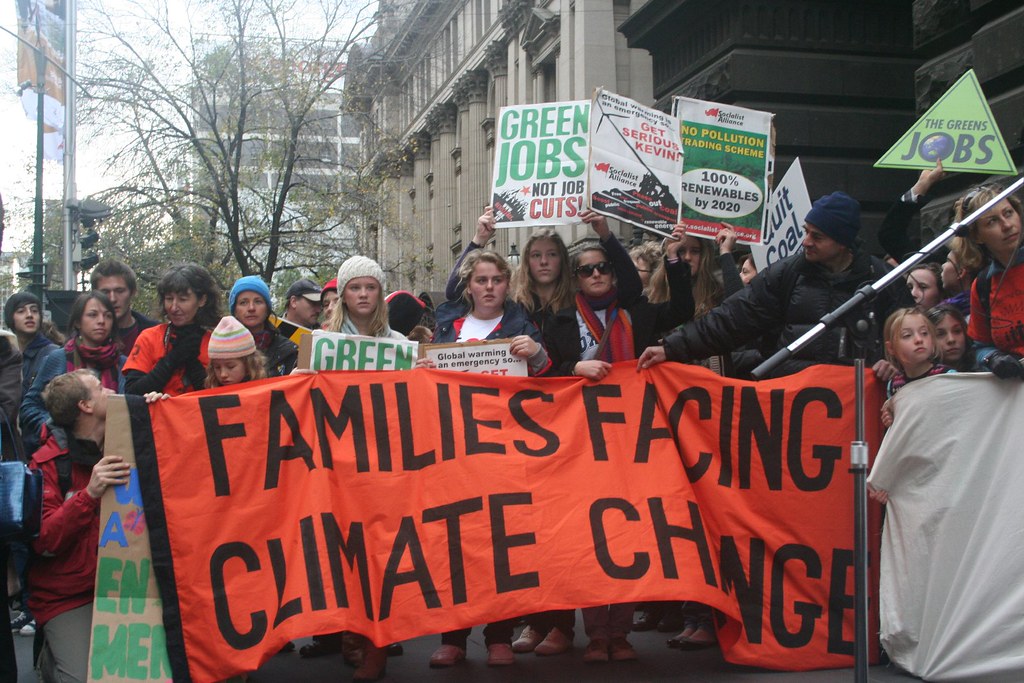
New Report Details How Reduced Staff Capacity Will Hamper Climate Action
This administration has consistently affirmed its commitment to rebuilding the federal workforce. But with only 98 months left until 2030, at which point we will need to have cut U.S. emissions in half to avoid climate catastrophe, it should be clear that there’s no time to waste turning words to action.

November 02, 2021
Climate Capacity Crisis: Attrition at Climate Agencies and Immediate Steps to Address It
It has been over nine months since President Donald Trump left office, but on climate policy the federal government continues to show the scars from his disastrous presidency. At a moment when we do not have even a second to waste to avoid catastrophic climate change, agencies are struggling to build back better after attacks on scientific integrity and agency budgets left them without sufficient staff capacity and expertise. While the Biden administration has consistently affirmed its support for the federal workforce through rhetoric and action, New York Times reporting from this summer makes clear that the rebuilding is still not happening fast enough.

October 29, 2021 | The American Prospect
Will Biden’s FDA Be Led by a Pharma Guy?
Dr. Robert Califf appears to be the clearest front-runner for the (somehow) still open position of commissioner of the Food and Drug Administration. After floating his name in the press a few weeks ago, President Biden recently met with Califf in private. Such meetings tend to be the final step before a nominee is announced.
There’s just one problem: Califf is a longtime political consultant to Big Pharma and, more recently, to Big Tech. In fact, he’s so tied to those industries that he once earned the ire of a certain crucial senator from West Virginia.
October 15, 2021
Appointing Google Health's D.C. Strategist Would Bring Risk To FDA's Credibility
Califf coordinates lobbying for major corporations — in his case, for Big Tech giants eager to get into the medical sector (and get into patients’ medical data.)

September 29, 2021 | The American Prospect
How to Vaccinate the World
When United States Trade Representative Katherine Tai announced this past May that the U.S. would support the TRIPS waiver on COVID-19 vaccines at the World Trade Organization (WTO), we at the Revolving Door Project celebrated the administration’s decision as “a transformative, hopeful event.” The waiver proposal calls on the WTO’s Trade-Related Aspects of Intellectual Property Rights (TRIPS) Council to suspend intellectual-property protections on COVID-19 therapeutics, diagnostics, and vaccines to ensure materials necessary for combating the pandemic are “available promptly, in sufficient quantities and at affordable price to meet global demand.”
July 28, 2021
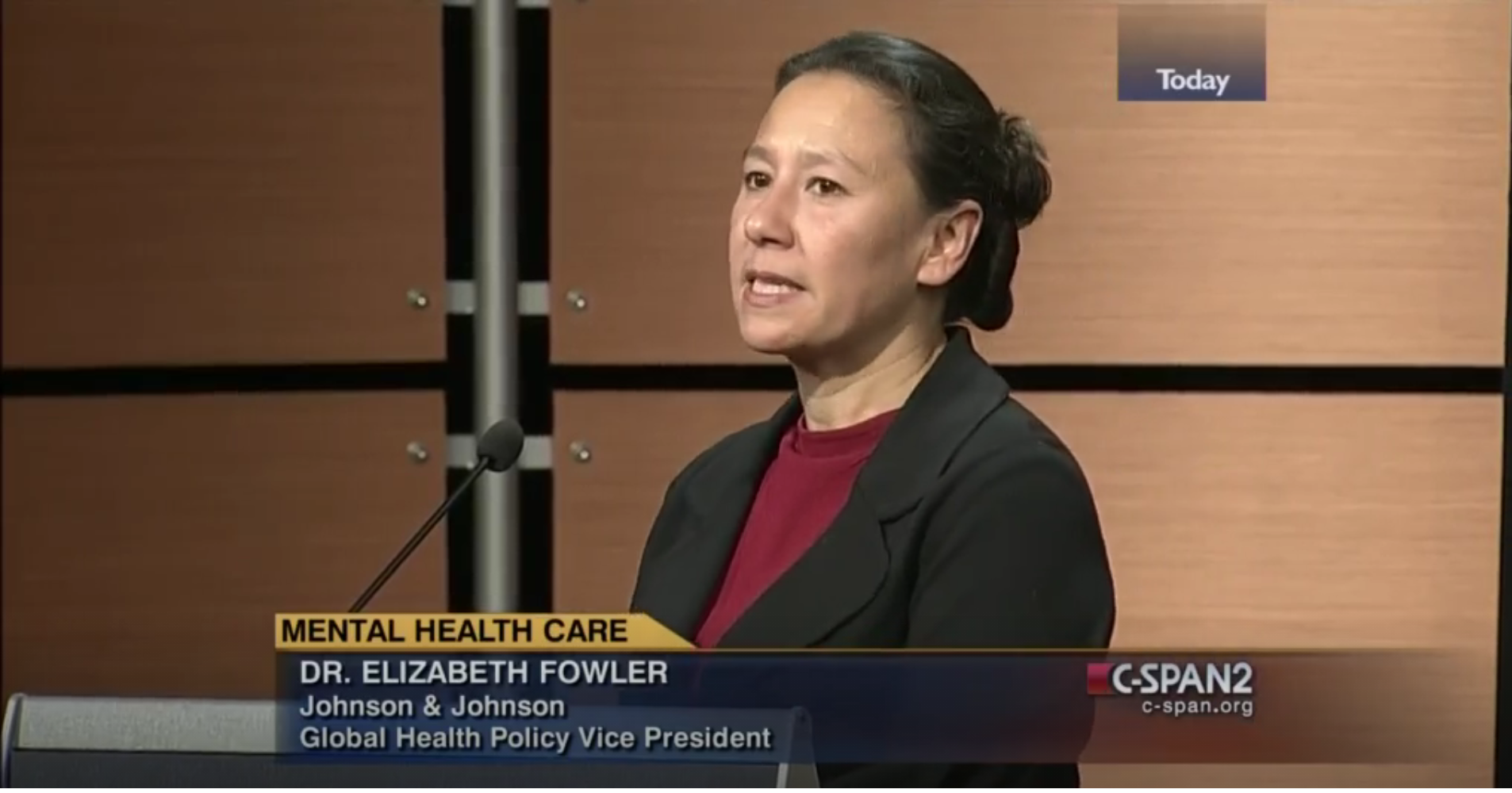
Revolver Spotlight: Elizabeth Fowler
Fowler, a former Johnson & Johnson executive, is the latest Biden hire to spin through Pharma’s revolving door.

July 22, 2021
The Industry Agenda: Big Pharma
In 2019, Gallup found that the pharmaceutical industry was “the most poorly regarded industry in Americans’ eyes,” and rightfully so. Pharmaceutical companies often set drug prices exorbitantly high, including life-saving drugs which patients literally cannot go without, such as insulin. This includes older drugs that are cheaper to produce — such as epinephrine (emergency medication used to treat severe allergic reactions and asthma attacks). These firms achieve this by stifling competition at the consumer’s expense, jealously protecting their money-makers from the generics which the pharmaceutical system is supposed to develop after a patent expires.
June 28, 2021
Biden Can't Pick A PTO Director Because Democrats Can't Decide If They Like Big Pharma
In light of the recent Supreme Court decision that substantially weakens the Patent Trial and Appeal Board and re-strengthens the USPTO Director’s power over patent decisions, selecting a public-oriented nominee is more important than ever.

May 17, 2021
Revolver Spotlight: Kevin Rhodes
When choosing the next PTO director, the Biden administration should rule out those who have a history of prioritizing profits and corporate interests over public health and safety. One such individual is Kevin Rhodes, an ally of Big Pharma who has vigorously defended efforts to keep drug prices high. His current employer, 3M, has abused its monopoly on the military earplug market to sell overpriced and faulty products to veterans. This should be immediately disqualifying for any future PTO director. Here are a few of the most alarming aspects of Kevin Rhodes’s career:

April 16, 2021
The Brother Of A Pharma Lobbyist Advises Biden As He Weighs Vaccine IP Waiver
Despite pushback from progressives, Ricchetti has continued to hold a powerful advisory position in the Biden White House. His background in corporate lobbying and strong ties to the pharmaceutical industry are deeply troubling signs as the Biden Administration faces enormously consequential decisions about how to end the COVID-19 pandemic.